I’m a big fan of AI. I use it every day, and I went and did the Stanford Business School studies in AI and digital transformation so I could properly understand how to bring it into our clients’ businesses. It’s already changed how we work at JR Marketing Group. Things that used to take hours now take minutes, and small businesses have tools they never had access to before.
So it might sound a bit odd that I think the next big thing in marketing isn’t AI.
I think it’s authenticity.
The flip side nobody’s talking about
From a marketing point of view, I reckon we’re about to see the opposite of what a lot of people are hoping AI will deliver.
As AI-generated content gets more polished, more “perfect” and more common, people are starting to trust less of what they see online. You’ve probably felt it yourself. A video that’s a bit too slick. An image that looks a bit too staged. A post that sounds like it could have been written for any business, anywhere.
Those things used to look professional. Now they’re starting to raise red flags. Instead of building a connection, they make people wonder whether there’s a real person behind the business at all.
What can’t be faked
When everything starts to look the same, the things that stand out are the things a machine can’t really copy. For me, that comes down to four things:
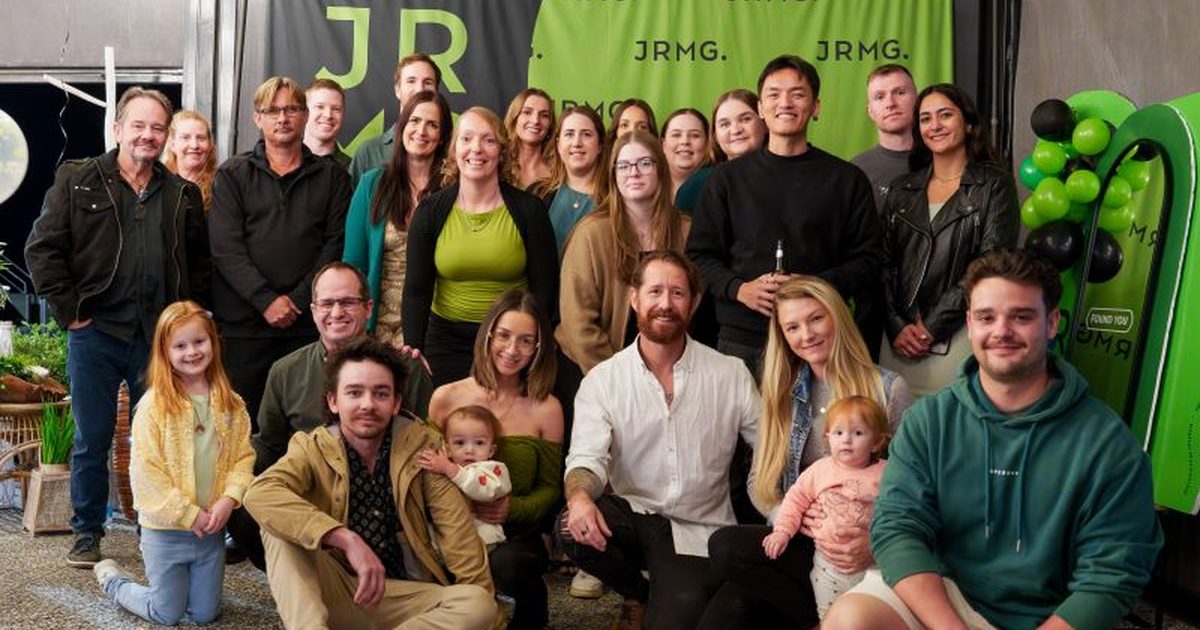
- Real content. Photos of your actual team, your actual premises, your actual work. Not a stock photo of people high-fiving in a boardroom.
- Real conversations. Replying to comments and reviews like a human. Picking up the phone. Talking to people, not at them.
- Personal touches in sales and customer service. Remembering a customer’s name, following up properly, making it obvious they’re dealing with people who care.
- A focus on human connection and brand trust. Showing who you are and why you do what you do.
When I shared this on LinkedIn, someone made a great point in the comments: founder stories work so well because people can see the why and the how, not just the what. I couldn’t agree more.
Automate the right things
None of this means you should ditch AI. I certainly haven’t. We can, and should, automate where it makes sense.
Use it to speed up the boring stuff. Use it to draft, summarise, sort, schedule and analyse. Use it to free up time so you can spend more of it on the human side of your business.
The mistake is letting it replace the parts of your marketing that build trust. If every post, every email and every reply is fully automated, your customers will notice. Maybe not straight away, but they will.
A simple test for your marketing
Next time you’re about to publish something, ask yourself:
- Does this sound like us, or could it be anyone?
- Is there something real in here, a real photo, a real example, a real opinion?
- Would I be happy for a customer to know exactly how this was made?
If the answer to those is yes, you’re on the right track. If not, use AI to get you started, then put your own voice back in before it goes out.
Why this matters for small businesses
Here’s the good news if you’re a small or regional business. You already have the thing that’s about to become more valuable. You know your customers. You’re part of your community. You can show the real people behind the business in a way big brands struggle to.
That’s a real advantage, as long as you don’t hide it behind generic content.
My take
AI is a brilliant tool, and I’ll keep using it every day. But the businesses that win over the next few years won’t be the ones with the most AI content. They’ll be the ones that use AI to work smarter and then double down on what can’t be faked: genuine connection and a human voice.
Are you noticing this shift too? I’d love to hear what you’re seeing.
Want to talk about using AI the right way?
If you’d like to work out where AI fits in your business and where you need to keep it human, email me at Josh@jrmg.com.au or book a call.